The Endocannabinoid System 101
August 8, 2019
Authors Note: Something that I get often when talking to others about CBD is that not many people, even those who have used CBD for years, have ever heard of the Endocannabinoid System (ECS). This is understandable for a variety of reasons, namely that its discovery only occured relatively recently (1964), and that the research itself was constrained by laws that made cannabis illegal. It truly is an amazing discovery, and has profound impacts on our lives and understanding of our bodies. This post is my desire to shed a little light on this amazing system.
Scientists have stated that the discovery of the human Endocannabinoid System (ECS) is one of the most important ever for the understanding of human physiology and health. What is even more startling is that this system has been in place in our bodies for millions of years. There are records from over 4700 years ago documenting the use of cannabis for medicinal purposes. Yet no one knew how it worked until 1964. Even then, discovering the ECS was almost accidental.
Two doctors, Gaoni and Mechoulam, were working on understanding how THC (the psychoactive molecule in marijuana) provides its effect on the brain. The thing is, THC is a lipid, or put simply - a fatty acid. But the neurons in the brain mainly work with water soluble molecules. They theorized that there must be another mechanism for THC molecules to attach to and interact with our cells.
Their discovery is that there is indeed such a mechanism of receptors that "bind" to THC and other cannabinoids. This attachment in turn triggers biochemical reactions that change the physiological properties of the cell itself. A good example of this effect has to do with inflammation.
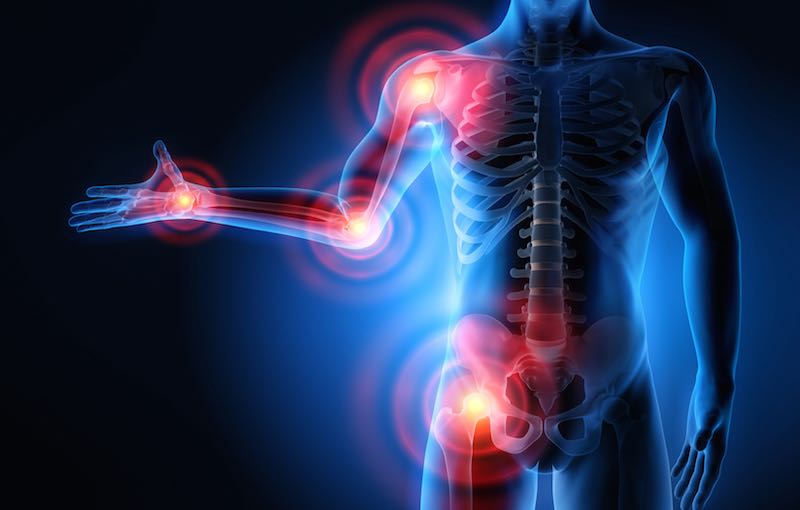
Inflammation is our bodies way of protecting itself. When our bodies get hurt, it increases the production of white blood cells, immune cells, and substances called cytokines that help fight infection. The normal signs of inflammation are redness, pain, heat, and swelling.
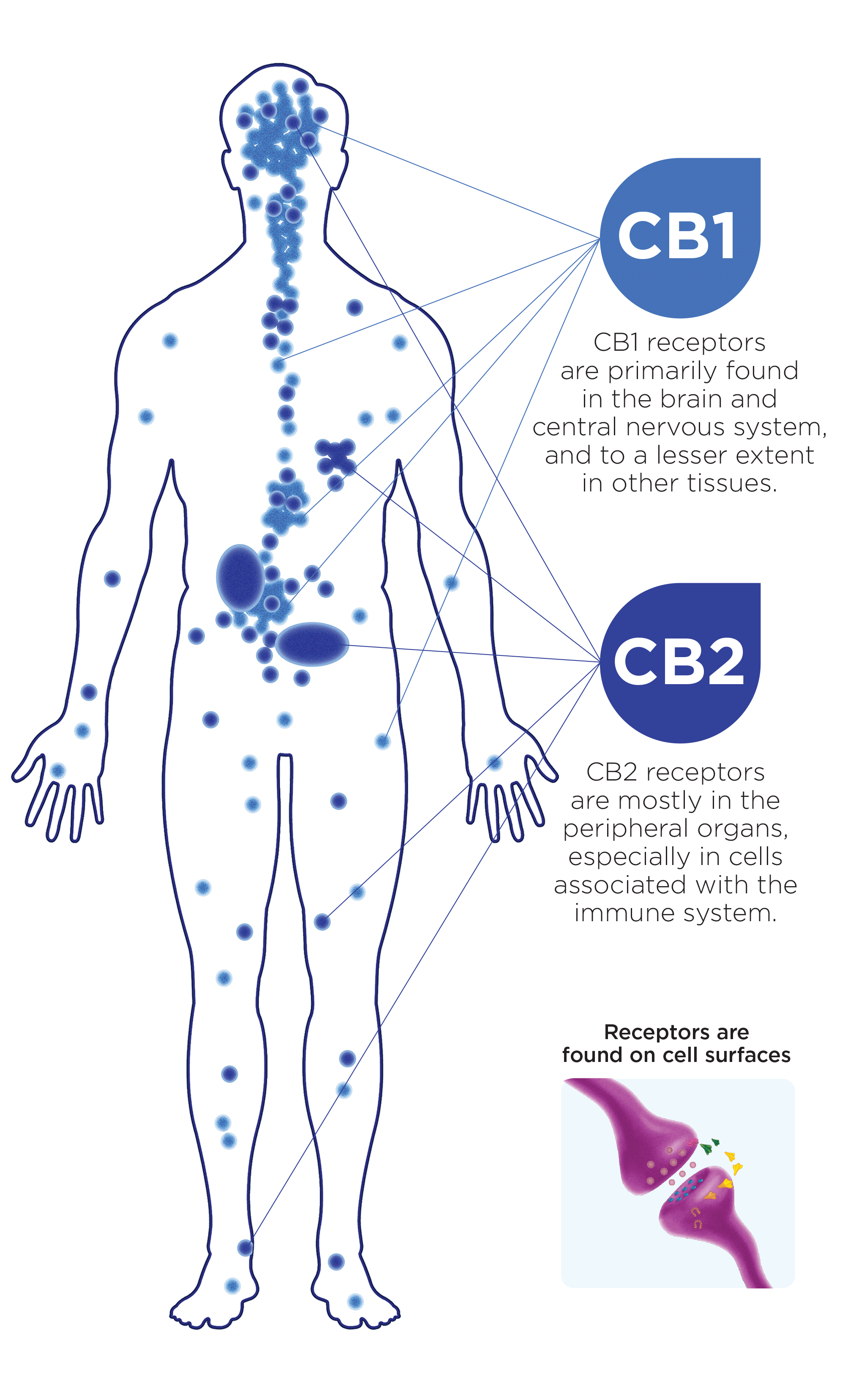
Cannabidiol, or CBD, interacts with CB2 receptors that are found through the body. Researchers have found CB2 receptors, when activated, will suppress the inflammatory immune function in cells themselves, therefore lessening inflammation and lowering pain.
Chronic inflammation, which is internal and often unfelt, can also occur when people are obese or under stress. If left untreated, chronic inflammation causes damage to our bodies. Researchers have examined blood samples of Type 2 Diabetes patients and found higher levels of cytokines. Some have theorized that diabetes itself may be a result of chronic inflammation, as this has been shown to cause insulin resistance. Much research still yet has to be done in this respect, but the promise is real that CBD could slow or even stop the onset of diabetes by lowering the inflammation caused by excess glucose and stress.
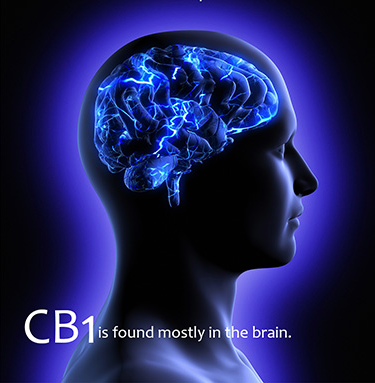
CB1 receptors are primarily found in the brain and the central nervous system. They are the moderators of our memory, mood, motor functions, and our perception of pain. A very interesting aspect of CB1 receptors and cannabinoids is that they actually send their signals backwards.
To put as simply as possible, the neurons in the brain are often called "presynaptic" - those that send the signal, and "postsynaptic" - those that receive the signal. Endocannabinoids however, are created by the receiving neuron and travel backwards to the CB1 receptors in the sending neuron. So by releasing endocannabinoids, a neuron can actually influence its own incoming synaptic signals. This effect has been shown to provide a myriad of beneficial remedies for neurological issues. CBD has been documented to greatly benefit those suffering from epilepsy, pain, Parkinson's, as well as a host of other brain related ailments.
The simplest description of what the ECS does overall is that it promotes Homeostasis - the maintenance of a stable internal environment despite the fluctuations of an external environment. Homeostasis is also known as "balance" , something our bodies need but are constantly being deprived of due to our diets and life stresses. Our understanding of the ECS is just starting but holds a great opportunity for us to really better our health and our lives.
- Vinh V.

Home